

…Reuven went and… (Bereshith 35:22)
When Rachel died, Yaakov moved his personal effects from Rachel’s tent to that of Rachel’s maidservant Bilhah. Reuven considered this a terrible slight to his mother Leah, and moved Yaakov’s bed to Leah’s tent.1 Since interfering with his father’s private matters was a very serious offense, the Torah implies that Reuven’s transgression was much graver than that which he actually committed.2
In earlier generations it was customary to read the Aramaic translation of the Torah’s verses publicly following the recitation of the Hebrew verses, however the translation of this verse was not to be read to the congregation after the reading of the Hebrew verse.3 The Aramaic translation did not present the deeper Midrashic explanations of the verse. Rather its intention was to enable those who were untutored in the Hebrew language to understand the literal meaning of each verse. Since a translation of the above verse cannot encapsulate its real meaning, it would leave the listener with the mistaken impression that Reuven committed an immoral act. The Sages chose to leave this verse untranslated, rather than to allow a negative presentation of Reuven’s reputation.
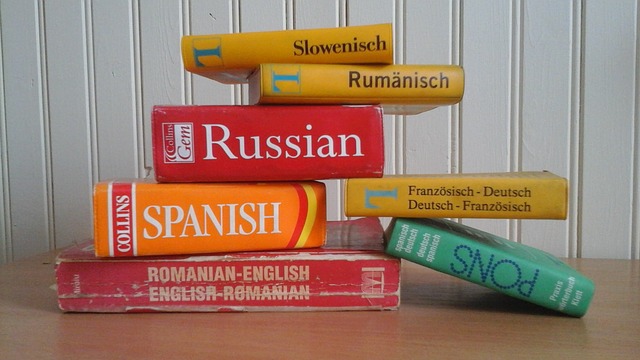
Nowadays, in most congregations reading the Aramaic translation of the Torah’s verses is no longer common practice. Nevertheless, since the custom of reading the translation was initially enacted so that people could understand the public Torah readings, it seems logical that we should adopt a similar practice in synagogues today, reading a translation of the Torah’s verses in the language of the country. However, the only reason that the Sages permitted a public reading of the Aramaic translation was because God gave it directly to Moses (and Onkelos eventually established its proper text for later generations). Any other translation is bound to contain inaccuracies – which would render it false; and it is improper to read anything publicly in a synagogue that contains elements that are false.4
The Torah’s books are unique among all forms of literature, for every word can be interpreted in many different ways, all of which are accurate and true. The Vilna Gaon said that he was able to expound a hundred and fifty explanations on a single verse in Shir HaShirim.5 Such incredible depth of meaning is lost entirely when Torah is translated into other languages.
1 Rashi on Bereshith 35:22.
2 Shabboth 55a.
3 Megillah 25a.
4 Response of the Chatham Sofer 6:86.
5 Introduction to Pa’ath HaShulchan, written by Rav Yisrael Mishklow, a disciple of the Vilna Gaon.
Text Copyright © 2008 by Rabbi Daniel Travis and Torah.org