
Midrash
By Rabbi Dr. Azriel Rosenfeld
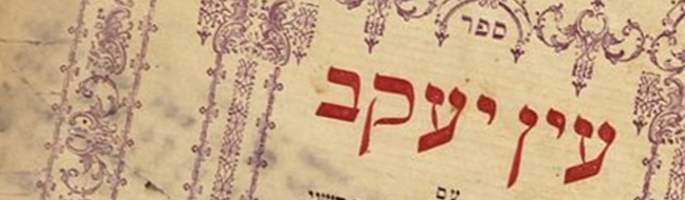
“Midrash” is a summary of the non-Halachic material in the Talmud, based on the classical compilation “EIN YA’AKOV”
The Torah not only contains legal principles (“Halachah”), but also teaches many other things from which we can derive important moral and philosophical lessons; this non-legal aspect of the Torah is called “Aggadah.”
The “Written Torah” (the Hebrew Bible) contains both historical narratives and the messages of the prophets. Similarly, the “Oral Torah” (found in the Talmud and related works) contains historical, narrative, and homiletical (sermonic) material, much of which is derived from the “Written Torah” by the method of interpretation known as “Midrash.”
This class will present an abridgement of the Midrashic / Aggadic material in the Talmud. It is based on the book Ein Ya’akov, a compilation of Talmudic Aggadah, written by R. Ya’akov ibn Chaviv in Saloniki, Greece at the beginning of the 16th century C.E.
The material deals with many topics:
- Torah: The Written and Oral Torah; Torah scholars; Torah study; Sabbaths and festivals
- Worship: The Temple service; prayers and blessings; fringes (tzitzis) and phylacteries (tefilin)
- Good deeds: Charity; marriage; sickness and medicine; funerals
- Judgment: Judges; bans; humility
- Truth and trustworthiness; oaths and vows
- Peace; wars and disputes; man’s good and evil inclinations
- Repentance and confession; fasting and suffering
- Heaven and Hell
- Good deeds and sins; love and fear of G-d
- Providence; reward and punishment; destiny and free will; prophecy; miracles, and angels.
- The Tabernacle, the Temples, and the history of their times
- The Righteous; the Messiah; the Resurrection of the Dead; the “World to Come”
The author wrote in his introduction that he intended to classify the material under these headings, and also to add an index relating the material to the weekly Torah readings and to the Five Scrolls. Unfortunately, as explained in an introduction to the second part of the book by the author’s son (R. Levi ibn Chaviv), the author passed away before he was able to complete his commentary on the material or to index it.
The Ein Ya’akov, and indeed the entire Talmud, has been fully translated into English; this class gives only an abridgement of it. In each chapter of each Talmudic tractate, the material has been divided into sections, each of which contains sayings by a particular sage or material dealing with a specific subject. The numbers after the section titles are folio numbers in the standard editions of the Talmud.
BERACHOS - Chapter One
- Part 1-2: Nightfall
- Part 3-4: King David at Night
- Part 5-6: Sayings of Rabbi Eliezer
- Part 7: Suffering
- Part 8-9: Sayings of Abba Binyamin
- Part 10: The Synagogue, and other sayings of R.Chelbo quoting R.Huna
- Part 11: Sayings of R.Yochanan, quoting R.Yosi
- Part 12: Sayings of R.Yochanan
- Part 13: The Synagogue [Tractate Brachos 8a-b]
- Part 14: The Exodus [Tractate Berachos: 9a-b]