

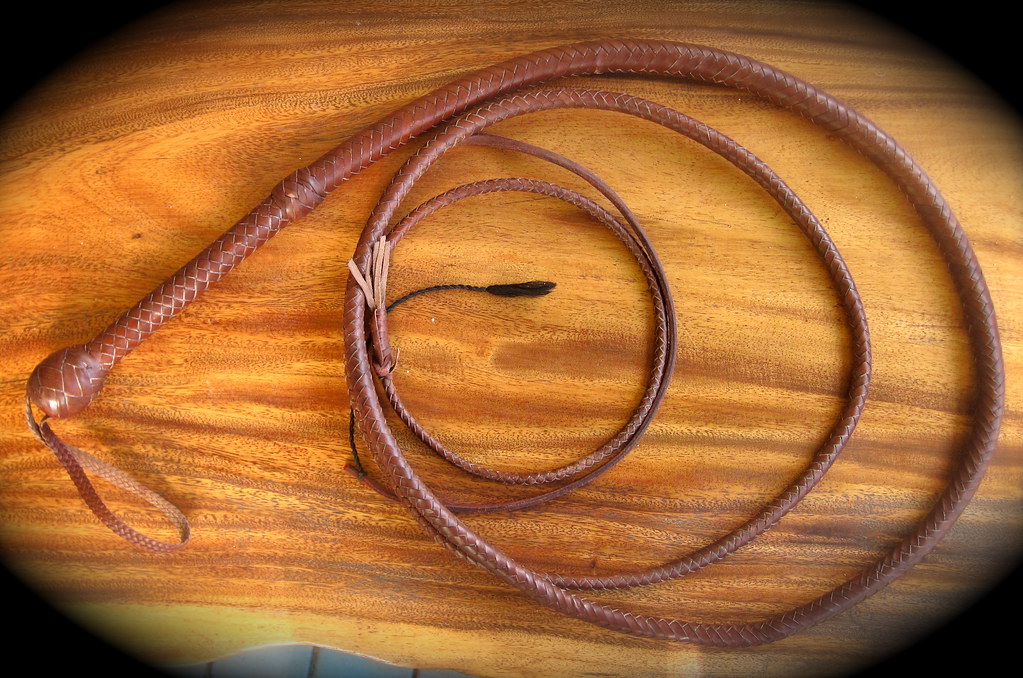
If the wicked one is liable to lashes, the judge shall throw him down and strike him…by a count. Forty he shall strike him.[2]
Forty is a nice, round number. Seems appropriate – for a number of reasons that our meforshim have suggested. Then Chazal came along and explained that it really means thirty-nine. So why did the Torah provide a satisfactory number, 40, only to have to provide instruction that it actually had something else in mind?
Maharal[3] offers a solution, by going to the symbolic core of malkus. It takes 40 days to fashion a new being from the time of conception. The forty lashes correspond to those days. When he sinned, the sinner jeopardized the reason for his entire creation. His matching punishment achieves atonement for him.[4] But when we break down the 40 days of formation, we realize that it takes 39 to create the body. The distinctiveness of the fortieth day is that the neshamah is added.
Now, the neshamah does not exist alone. For better or worse, it participates in the actions of the guf. In a sense, the neshamah often becomes largely a tributary of the guf, its voice drowned out by the majority partner. When the guf commits an aveirah, the neshamah is a ride-along accomplice.
The first 39 lashes address the misadventures of the guf. They purge the body of its taints, restoring it to its original purity. (Thus, Chazal say[5] that the lashes exempt the sinner from further punishment.) When the wholeness of the guf has been restored, the neshamah is freed of any corrupting influence. There is no longer any reason to subject it to any punishment, i.e. no need for the 40th makah!
The number 39 turns up in an entirely different role, taking us back to Gan Eiden. Tikunei Zohar[6] connects the 39 lashes to the same number of curses occasioned by the first chet: ten to Adam, ten to Chava, ten to the nachash, and nine to the earth. Possibly the connection is that when malkus are administered, they address not only the individual sinner, but to the source of all human sin, which is the sin of Adam HaRishon.[7] As a result of that aveirah, 39 kelalos descended to the world. When we deal with sin, we attempt a tikkun of the source of all sin.
This might be the reason for the unusual construction in our pasuk: Im bin hakos harasha/If the wicked one is liable. “Bin” brings to mind binah, comprehension, understanding. We are called to comprehend how far reaching the damage wrought by chet is. Each aveirah channels that first sin, and therefore to the curses that facilitated all subsequent sin on earth.
The gemara[8] mocks those who stand for a Sefer Torah, but not for a great scholar. The Torah, after all, seems to demand 40 malkos, but the rabbanan subtracted one. What genius is there in reducing the total of lashes to 39? Possibly the point we have made: By fixing the number at 39, they turn an exercise in courtroom punishment into a lesson about the depth of chet and its consequences, and a challenge to ponder it.
Halacha also supports this. The gemara[9] requires that the court official who administers the lashes possess superior intelligence, and lack physical strength. This underscores the function of the malkos. They are not primarily meant to inflict pain (which would be better done by some muscular hulk), but to symbolically remind us of the seriousness of sin, and its far-ranging consequences.
- Adapted from Be’er Moshe, by the Ozherover Rebbe zt”l ↑
- Devarim 25:2-3 ↑
- Gur Aryeh to 25:3 ↑
- Tanchuma Bamidbar #28 ↑
- Makos 23a ↑
- Tikunei Zohar 85a ↑
- Zohar3 122a ↑
- Makos 22b ↑
- Makos 23a ↑
Photo by Todd’s Costumes on Flickr, licensed under CC BY 2.0.