

Hashem did for Soro as He had spoken.[2]
Enigmatically, a midrash explains: “This teaches that Soro added to the luminaries.” What could this mean?
The answer will span the course of human civilization.
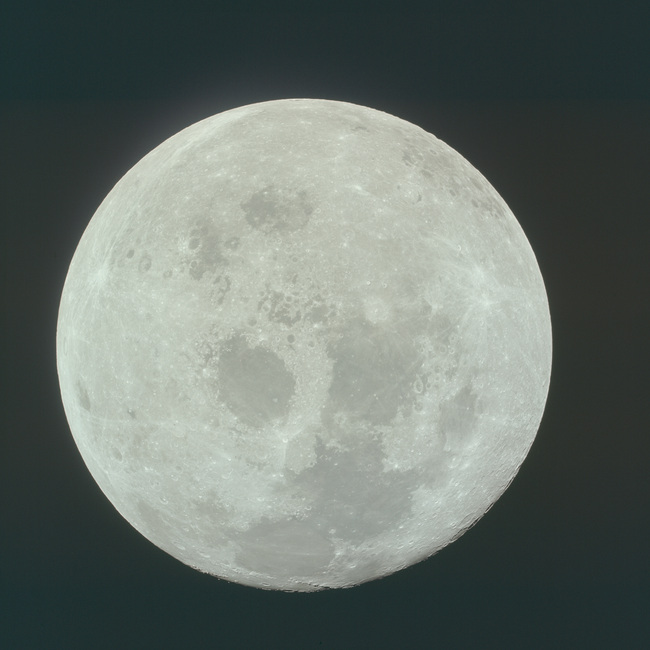
The musaf goat of Rosh Chodesh is described[3] as a “kapparah for Hashem,” seemingly for no reason, since all korbanos are directed at Hashem. The gemara[4] explains that this korban acts as a kapparah for Hashem Himself, for the sin, as it were, of diminishing the light of the moon from its original status as steady provider of illumination, similar to the constancy of the sun.
This likely is based on the parallel between the sun-moon relationship and the works of Man. All of the latter display a dance between giver and receiver. We are both of those by nature, beginning with our creation as du partzufim, a single being with masculine and feminine sides, before they were separated. The masculine side represents giving; the feminine side receives and nurtures.
We are meant to do both. To receive without giving makes us less than human. To give without receiving exhausts our reservoir of what we can give. We must always look Above to replenish the spirituality we can give to others.
Recognizing whom we impact by our giving is easy enough. Unfortunately, so is ignoring the invisible Source from which we receive. As a nation, we have comprehended that everything that we have is received from Hashem. We have done a much better job of this than the nations of the world. Understanding that we have nothing of our own to give is the signature mark of the Jewish people.
In this regard, we stand in relation to Hashem as the moon does to the sun. Our light is not our own. All of it is simply a reflection of His light.
There are times when that light is obscured, or when we do not face Hashem directly. When the moon does not receive light from the sun, there is nothing that is reflected to the earth. When Hashem’s chesed is apparent and visible, its light can be reflected to all inhabitants of the world.
In the earliest chapters of mankind, Nature itself provided a light of kevod Shomayim. G-d’s role in Creation, and in sustaining His world was irrefutable. That light dimmed, as time elapsed from the moment of Creation, and people dissociated Hashem as the giver of the bounty they enjoyed. Hashem intervened, after waiting many generations. He gave His Torah to His people, and performed all sorts of miracles for them. Through this relationship, the light of Heaven became visible once more, reflected by His faithful people.
When Chazal talk about the dimming of the moon, they mean the earlier dulling of the original light of Creation itself as time marched on. True, Hashem’s light would regularly become visible at times, only to grow weaker once more. Each time that it would gain strength, it would need strengthening to once more secure a place in the consciousness of Man. That strengthening is provided by the great tzadikim of the past, and are symbolized by the korban musaf on Rosh Chodesh, the time of renewal after a period of darkness. Their actions would supplement the light of the luminaries of Creation, and help power the resumption of light shining through.
Soro’s actions – and the miracles that attended her becoming a mother in general, and the mother of the Jewish people in particular – joined with the earlier light of brias ha-olam. The earlier light of teva was fixed and regulated. The new light of miracles knew no restrictions. Divine Providence could generate them at any and all times.
The miracle of Soro’s pregnancy was the beginning of a new supply of light, not available previously. It supplemented the light of Creation, adding to the luminaries.
What Hashem did for Soro, therefore, added on to what Hashem had previously spoken, when His utterances created the world.